Seasonal Weather Fluctuations Guiding Player Flows Between Multiplier Challenges, Athletic Predictions, and Card Variants via App-Based Incentive Timing
Tina Russell · Jun 23, 2026
Seasonal Weather Fluctuations Guiding Player Flows Between Multiplier Challenges, Athletic Predictions, and Card Variants via App-Based Incentive Timing
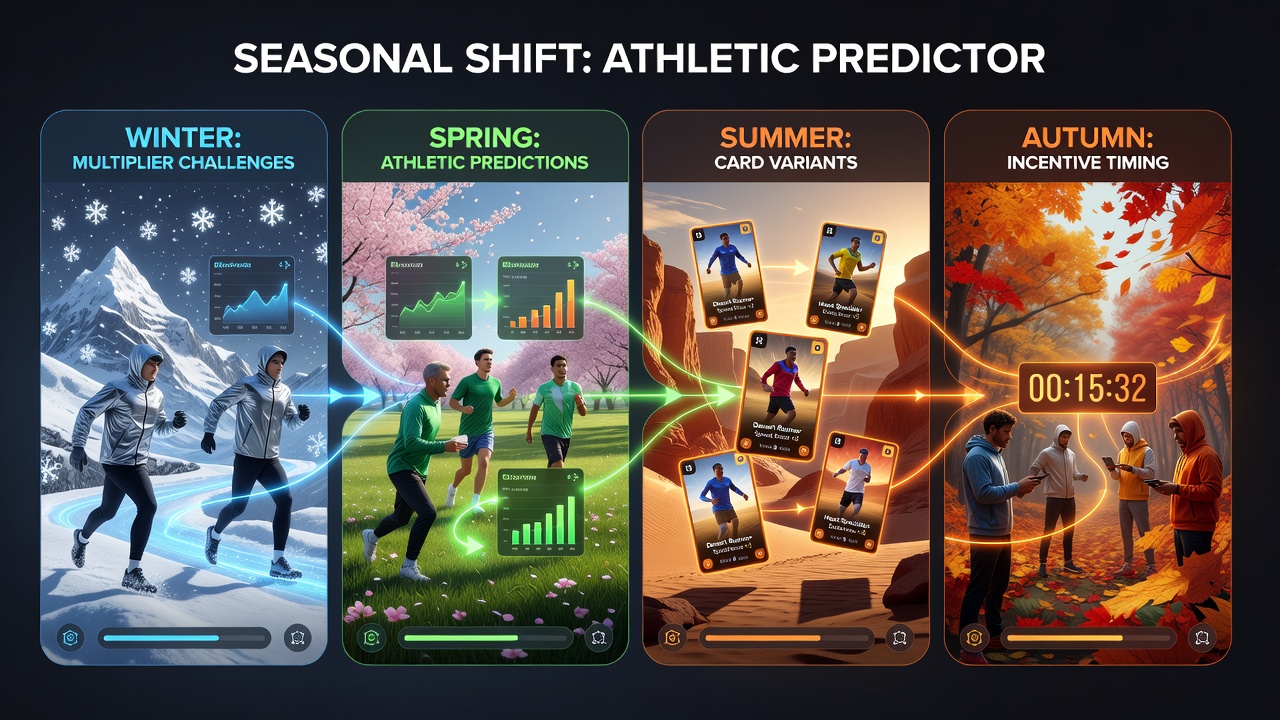
Seasonal weather shifts create measurable changes in how players navigate mobile gambling platforms, moving between multiplier games, sports betting sections, and card-based titles as conditions change throughout the year. App operators track these movements through engagement metrics that align with temperature swings, precipitation levels, and daylight hours, then adjust incentive structures to match emerging patterns in real time.
Weather Data Integration in Gaming Platforms
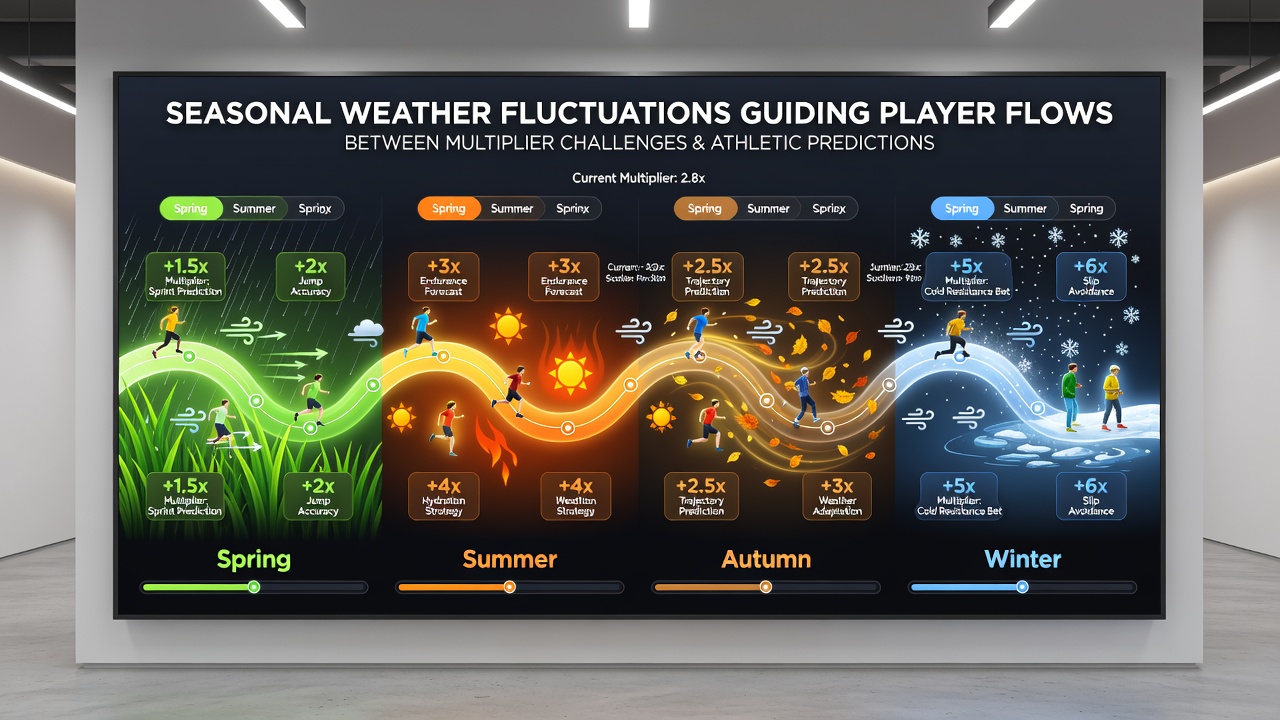
Operators incorporate forecasts from meteorological services into their backend systems, allowing promotions to activate when certain thresholds appear in user locations. Cold snaps in northern regions often coincide with increased sessions in card variants, whereas sudden rainfall correlates with spikes in multiplier challenges during afternoon hours. These correlations appear in aggregated logs from multiple jurisdictions, where developers note that players spend longer stretches on athletic predictions when forecasts show mild temperatures and clear skies for upcoming events.
June 2026 brought extended heat across parts of North America and Europe, prompting several platforms to schedule targeted rewards that encouraged transitions from outdoor-themed sports markets toward indoor card progressions. Systems detected earlier logins during midday hours when air conditioning kept users inside, then delivered layered bonuses that rewarded completion of poker hands before shifting attention to crash-style multipliers later in the evening.
Player Movement Patterns Across Game Types
Analysts examining session data observe that winter months direct traffic toward multiplier interfaces when storms reduce visibility and limit travel, while spring transitions push engagement toward athletic predictions as leagues enter key phases. Summer humidity in southern markets frequently aligns with elevated card table activity inside apps, particularly when evening temperatures remain elevated and players seek shorter, contained sessions. These flows become more pronounced when apps deploy timed credits that expire within specific weather windows, encouraging users to sample different formats before conditions change again.
Incentive Timing and Regional Variations
Platforms in Australia have documented how prolonged dry seasons shift activity toward sports markets tied to cricket and rugby schedules, then redirect users to card variants once cooler months arrive. Data compiled by the Australian Communications and Media Authority shows seasonal spikes that match rainfall patterns, with operators responding through push notifications that highlight bonus rounds available only during predicted weather events. Similar patterns surface in Canadian provinces, where winter precipitation drives traffic to multiplier challenges while spring thaws increase time spent on live sports interfaces.
European operators apply comparable logic during transitional periods, releasing layered rewards that bridge card games and athletic predictions when forecasts indicate rapid temperature drops. These mechanics rely on location services that detect regional anomalies, then surface offers calibrated to expected session lengths. Users receive prompts to complete specific sequences, such as finishing a set number of hands before unlocking multiplier access, which sustains engagement across changing conditions.
App Architecture Supporting Seasonal Adjustments
Backend systems maintain separate tracking modules for weather variables and game-type transitions, updating incentive pools daily based on incoming forecast feeds. Short sessions during high-heat periods receive different reward structures than extended evening play during cooler intervals, allowing platforms to balance load across multiplier, sports, and card sections. Developers test these adjustments through controlled rollouts, measuring completion rates when offers align with local weather alerts versus standard schedules.
Observers tracking industry reports note that integration with external data sources, including university-led climate studies, helps refine prediction models for player behavior. One analysis from a North American research consortium found that platforms using forecast-linked timing recorded steadier cross-category movement than those relying solely on calendar-based promotions. The approach reduces clustering around single game types during extreme conditions and distributes activity more evenly throughout the week.
Conclusion
Seasonal weather fluctuations continue to shape how mobile platforms organize incentive timing across multiplier challenges, athletic predictions, and card variants. Operators refine these connections through ongoing data collection that links meteorological inputs with session metrics, producing adaptive systems that respond to regional patterns as they emerge. Continued monitoring of these interactions will determine how future updates maintain balanced engagement across formats regardless of external conditions.