Seasonal Synchronization Cycles Connecting Crash Mechanics to Table Sequences in Mobile Sports Platforms
Blake Frank · Aug 21, 2026
Seasonal Synchronization Cycles Connecting Crash Mechanics to Table Sequences in Mobile Sports Platforms
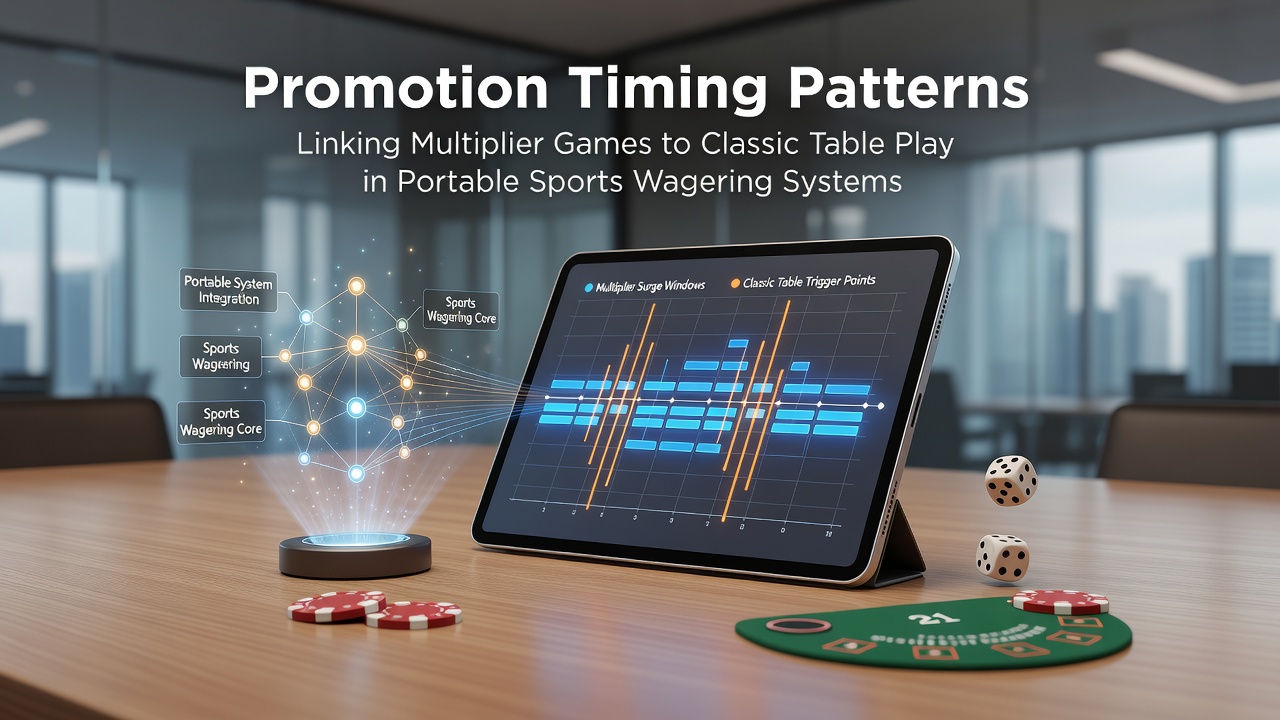
Data from August 2026 shows mobile sports wagering platforms deploying timed incentive layers that guide users from crash-style multiplier games into classic table formats such as blackjack and roulette, and these patterns emerge most clearly when major athletic calendars overlap with bonus reset periods. Operators coordinate push notifications and in-app triggers to activate multiplier events during live sports windows, after which users encounter escalating rewards that unlock table game progressions once certain engagement thresholds are met.
Core Mechanics of Timing Alignment
Portable systems track user activity across game categories through unified player profiles, and this infrastructure allows platforms to release multiplier bonuses at the start of high-profile matches while reserving table game incentives for post-event cooldown phases. Research from the Pennsylvania Gaming Control Board indicates that August periods produce measurable spikes in cross-category movement when sports seasons begin, because users who complete multiplier rounds receive layered credits that apply directly to table sessions without requiring separate deposits.
Platform algorithms monitor session duration in multiplier environments, and they trigger table game offers precisely when average playtime in crash formats exceeds established benchmarks. Observers note that these triggers often coincide with halftime intervals or between innings, creating natural transition points that keep engagement high across both game types.
August 2026 Data Patterns
Figures released in late August 2026 reveal that sports event cycles feed directly into promotion schedules, and users who begin with multiplier games during evening matches show higher completion rates for subsequent table challenges. The Alcohol and Gaming Commission of Ontario reported similar alignment trends across Canadian platforms, where bonus tiers activate in sequence rather than simultaneously, guiding players through multiplier interfaces before surfacing classic card and wheel options.
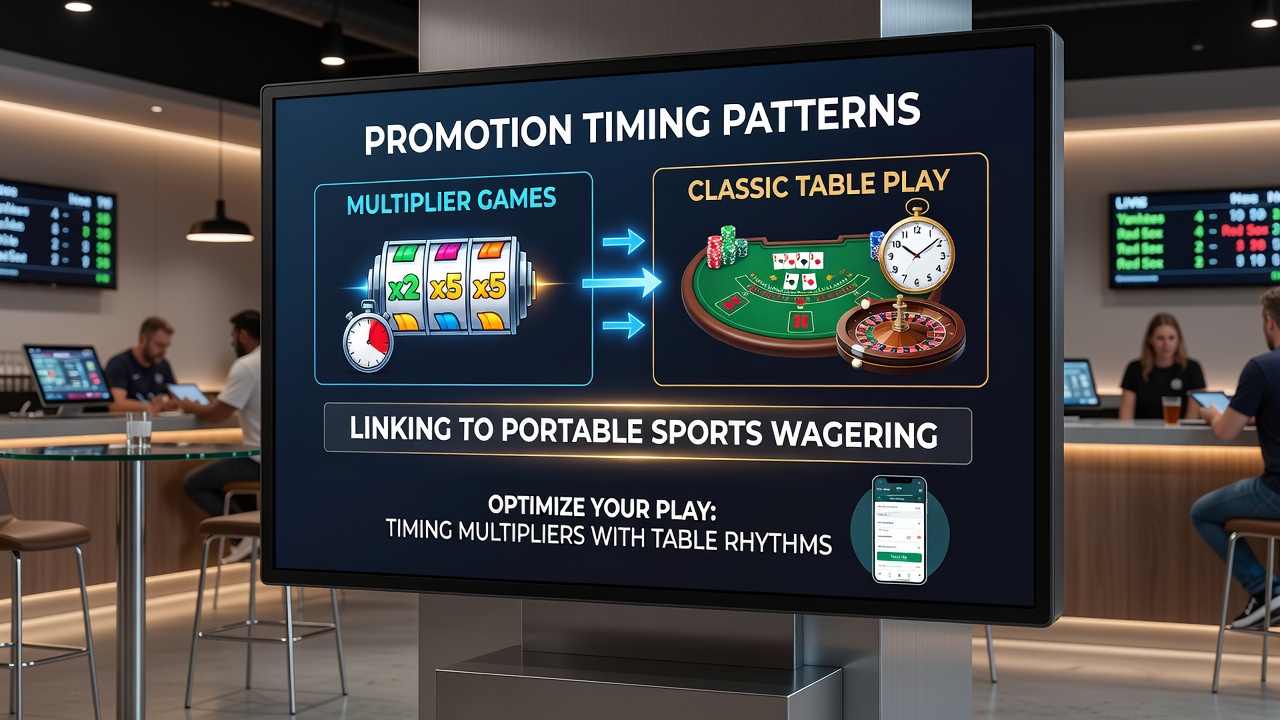
One documented approach involves releasing crash game multipliers tied to live odds on major leagues, and once those multipliers reach preset values the same account balance becomes eligible for table game multipliers that extend play without additional risk. This sequential structure reduces friction between game styles while maintaining regulatory separation between sports wagering and table offerings.
Cross-Game Incentive Structures
Industry reports document that handheld ecosystems use event-driven reward pathways to connect multiplier sessions with table progressions, and these pathways rely on shared loyalty currencies that carry value across categories. When sports calendars enter August lulls, platforms shift emphasis toward table game bonuses that require prior multiplier activity, creating a dependency loop that operators monitor through retention metrics.
Those who study these systems find that timing precision matters more than bonus size, because users respond to predictable windows rather than random offers. Platforms therefore publish approximate schedules in advance, allowing players to anticipate when multiplier events will feed into table sequences during upcoming athletic fixtures.
Regulatory Context Across Regions
State-level oversight in multiple jurisdictions requires clear disclosure of how bonuses transition between game types, and operators comply by embedding timing rules directly into terms that users accept during account setup. Data collected through these disclosures shows consistent patterns where August promotions produce the strongest linkage between multiplier and table formats, largely because sports calendars generate predictable user traffic peaks.
Academic studies from research institutions examining mobile gambling behavior confirm that sequential incentives outperform standalone offers, and platforms continue refining these cycles based on aggregated session data rather than individual preferences.
Conclusion
Promotion timing patterns in portable sports wagering systems continue to evolve around athletic calendars, and August 2026 examples demonstrate how multiplier games serve as entry points that feed into classic table play through coordinated incentive layers. These structures rely on unified tracking, sequential bonus activation, and regulatory-compliant disclosures that maintain separation while encouraging movement between categories. Continued monitoring by oversight bodies ensures the patterns remain transparent to users across different regions.