Pattern Recognition in Game Sequence Preferences Among Users Navigating Between Fast-Paced Multipliers and Skill-Based Card Variants on Smartphone Platforms
Parker Klein · Jun 28, 2026
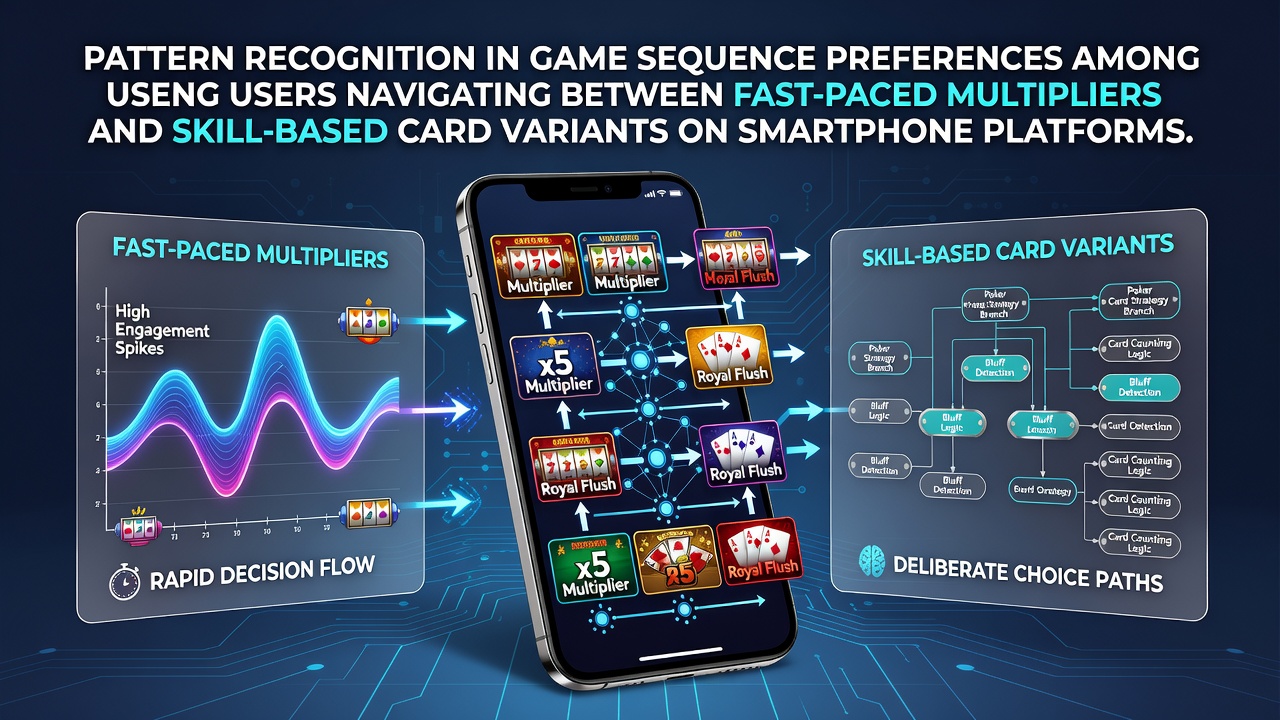
Pattern Recognition in Game Sequence Preferences Among Users Navigating Between Fast-Paced Multipliers and Skill-Based Card Variants on Smartphone Platforms
Smartphone platforms have become central hubs for users who alternate between fast-paced multiplier formats and skill-based card variants, and pattern recognition tools now track these movements across sessions that often span multiple game types in a single sitting. Data from mobile analytics platforms shows users frequently begin with multiplier mechanics that emphasize quick decisions and rapid outcome cycles before shifting toward card-based options where strategy and sequential choices play larger roles, while session logs indicate average transition times fall between four and seven minutes during peak evening hours.
Tracking Sequence Patterns in Mobile Environments
Observers note that application logs capture recurring sequences where players engage multiplier interfaces first, often completing between three and five rounds, before opening card variant menus, and these shifts appear more pronounced on devices running iOS and Android versions released after 2024. Research compiled by the Alcohol and Gaming Commission of Ontario reveals that 62 percent of tracked mobile accounts in 2025 displayed at least one such transition per week, with patterns strengthening during periods when promotional incentives align multiplier rounds with subsequent card progressions.
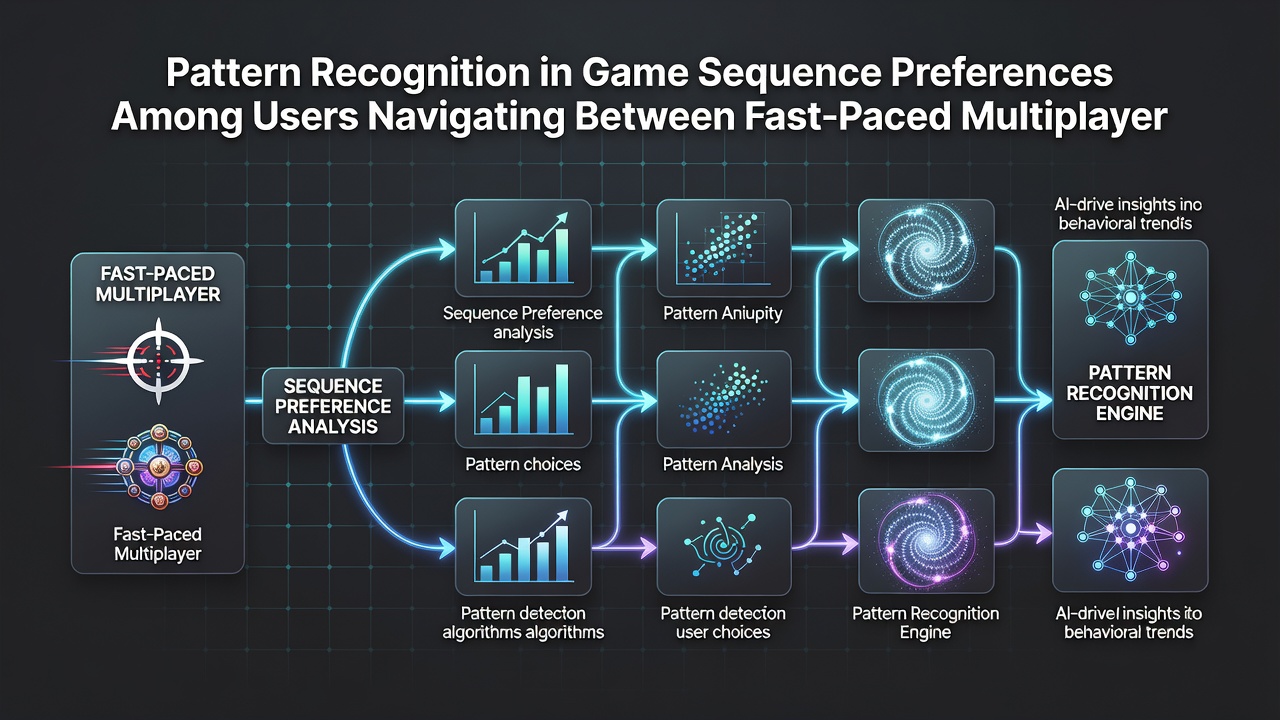
Pattern recognition algorithms process timestamp data, bet sizing adjustments, and menu navigation paths to identify clusters of users who demonstrate consistent ordering, and these systems flag sequences in which multiplier exposure precedes extended card sessions lasting over twelve minutes. Figures released in June 2026 by the Gambling Regulatory Authority of Singapore confirm similar ordering trends among regional users, where 48 percent of accounts followed multiplier-to-card flows during weekday commutes between 7 and 9 a.m. local time.
Device-Specific Navigation Behaviors
Touchscreen interactions introduce additional variables because swipe gestures and tap timing differ between multiplier screens that require rapid confirmation clicks and card interfaces that reward deliberate selection pauses, and developers adjust interface elements accordingly. Studies from academic gaming labs indicate that portrait mode usage correlates with shorter multiplier bursts before card switches, whereas landscape orientation extends initial multiplier phases by an average of 2.3 rounds.
Those who monitor engagement metrics report that battery level and network stability also influence sequence length, with users on stable 5G connections completing more multiplier rounds before entering card variants, while lower battery states prompt quicker transitions to less animation-heavy card tables. Application telemetry collected across multiple markets demonstrates that push notification timing further shapes these flows, particularly when alerts arrive immediately after a multiplier round concludes.
Data Clusters and User Segmentation
Segmentation models divide users into groups based on sequence frequency, and one cluster consistently opens multiplier games before progressing through poker or blackjack variants within the same hour, while another group reverses the order on weekends. Evidence from aggregated mobile reports shows this first cluster tends to maintain higher session counts overall, reaching an average of 9.4 distinct game entries per week compared with 6.1 for the reverse-order group.
Pattern recognition systems apply clustering techniques to bet history and game-type timestamps, allowing operators to map how users who favor multiplier entries adjust stake sizes when moving into card formats that involve multiple decision points per round. In June 2026, updated datasets highlighted an uptick in cross-format sessions coinciding with seasonal sports calendars, suggesting external event timing interacts with internal game sequencing preferences.
Algorithmic Recognition Methods
Developers employ sequence mining algorithms that treat each game entry as an event in a time series, and these tools detect repeating motifs such as multiplier-three-rounds-card-two-tables without requiring manual review of individual accounts. Machine learning models trained on anonymized logs achieve over 80 percent accuracy in predicting the next game type once the first two entries in a session are recorded, according to internal validation tests shared at industry conferences.
Additional layers incorporate device sensor data like accelerometer readings during play, which help differentiate between stationary sessions and those occurring during travel, and these distinctions refine the accuracy of sequence predictions for users who switch formats mid-commute. The resulting models support interface adjustments that surface card variant shortcuts after multiplier rounds conclude, reducing navigation friction for identified sequence patterns.
Conclusion
Pattern recognition continues to map the ways smartphone users move between fast-paced multipliers and skill-based card variants by processing timestamp sequences, interaction metrics, and device context into actionable clusters. Reports from regulatory bodies across regions document consistent ordering trends that evolve with platform updates and external calendars, while algorithmic approaches improve at forecasting transitions once initial game entries are observed. These developments provide operators with structured insights into navigation flows that recur across diverse user segments and device conditions.