Mapping Player Transitions Between Live Blackjack Tables and Crash Mechanics Through Layered Sports Event Promotions in Mobile Ecosystems
Tina Russell · May 19, 2026
Mapping Player Transitions Between Live Blackjack Tables and Crash Mechanics Through Layered Sports Event Promotions in Mobile Ecosystems
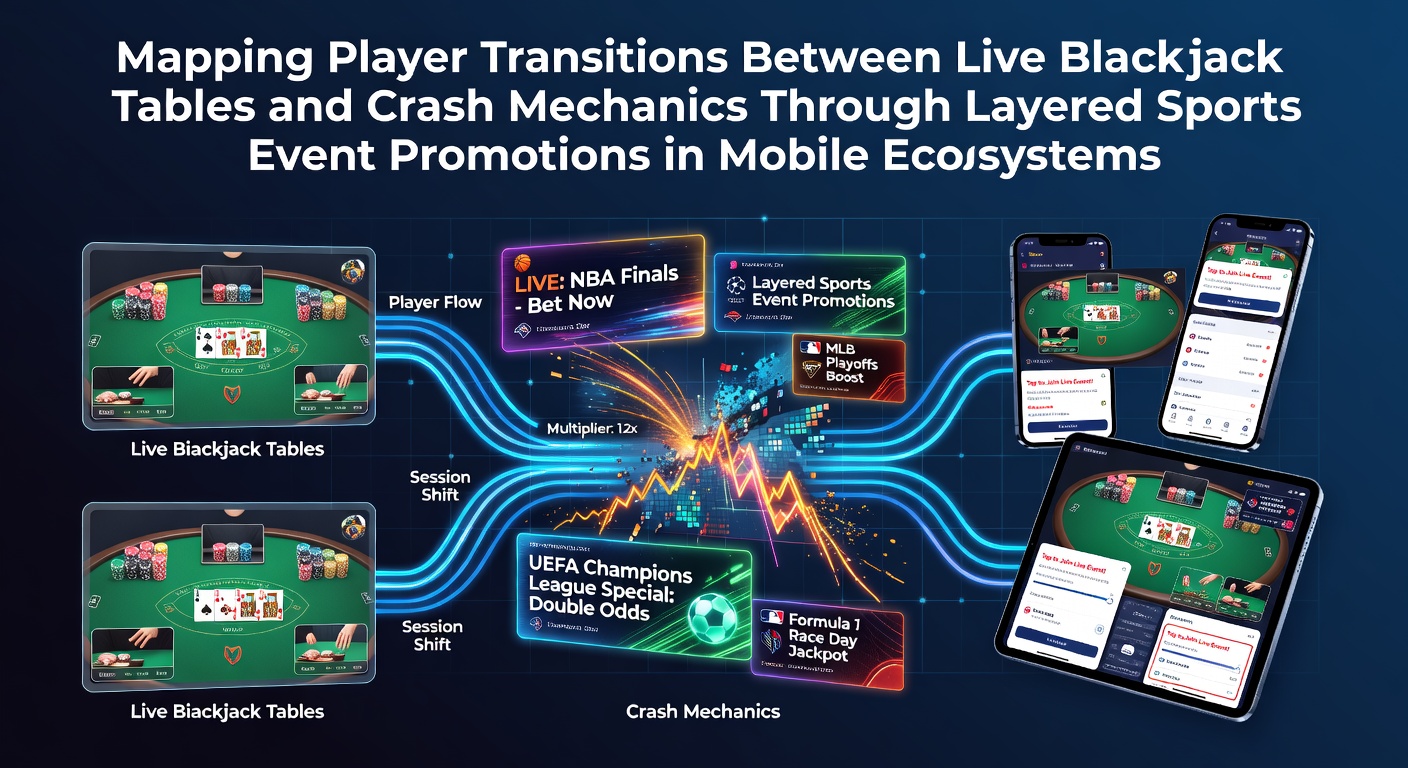
Players navigate between live blackjack tables and crash mechanics through layered sports event promotions that appear across mobile platforms, and data from multiple regions indicates these transitions occur more frequently when operators bundle incentives with ongoing athletic competitions. Observers note that the process begins when users complete a blackjack round and receive prompts tied to upcoming sports matches, which then redirect them toward crash-style multipliers that sync with live event timelines.
Tracking Movement Patterns in Digital Gambling Spaces
Research from industry analytics groups reveals that mobile users often shift from slower-paced table games to faster crash formats during peak sports seasons, while layered promotions serve as the connective tissue that keeps engagement consistent. A typical sequence starts with a player finishing several hands at a live dealer blackjack table, after which a notification highlights a sports tournament bonus that unlocks crash game multipliers if certain conditions are met within the same session.
Those who study user flows point out that these promotions frequently incorporate real-time elements from basketball or soccer fixtures, and the mechanics encourage quick decisions that mirror the pace of crash rounds rather than extended blackjack strategy sessions. Figures from North American operators show that such layered offers increased session continuity by measurable margins in early 2026, particularly when events like the NBA playoffs aligned with platform updates.
Layered Promotions as Transition Drivers
Promotions built around sports events operate on multiple tiers that reward movement between game types, and operators structure them so that blackjack outcomes feed directly into crash game entry points. For instance, a user who hits a blackjack bonus might unlock an instant multiplier boost for a crash round tied to a concurrent football match, which keeps the player inside the same mobile application without requiring a full logout and login cycle.
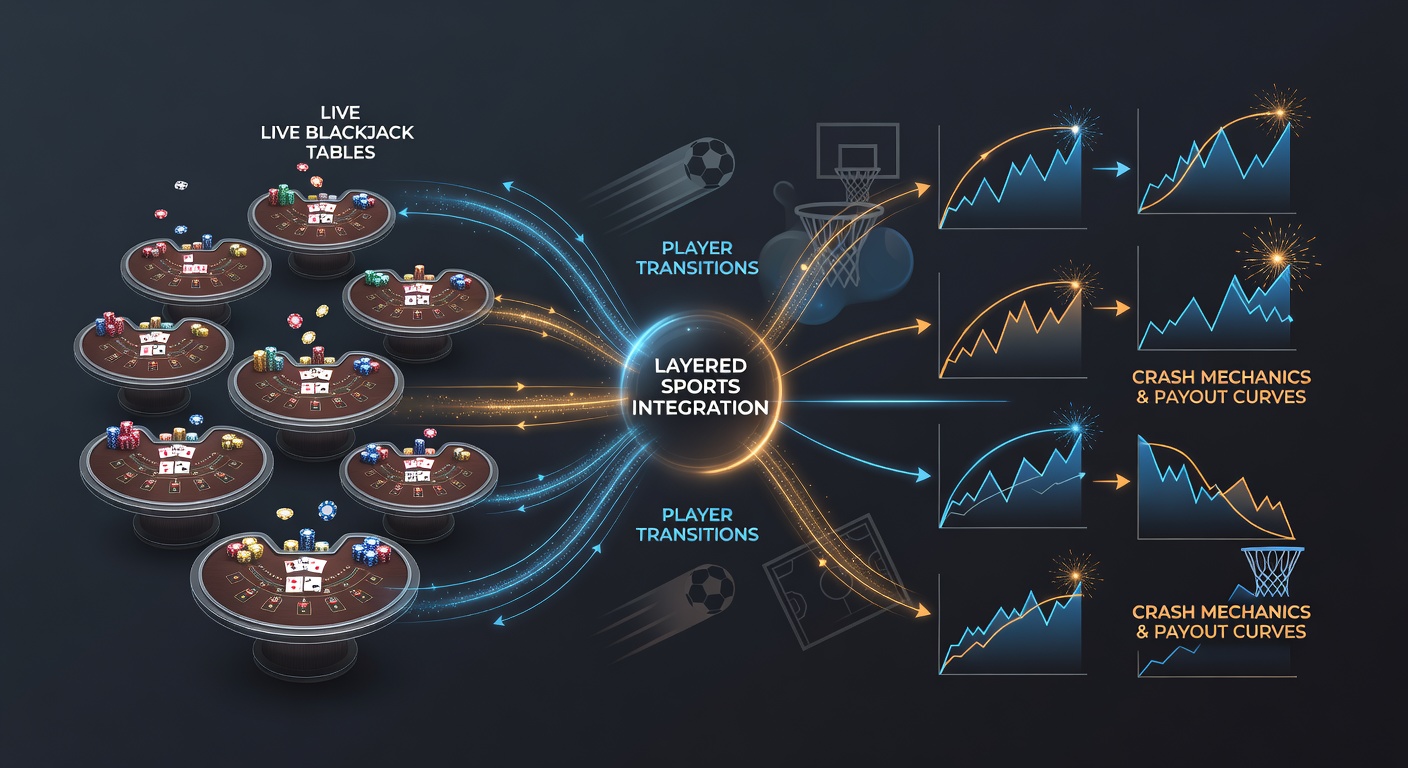
According to reports compiled by the Alcohol and Gaming Commission of Ontario, mobile ecosystems recorded higher cross-game activity when promotions referenced live event data such as goal scorers or point differentials. The structure works because each layer adds a small incentive that accumulates only if the player continues into the next mechanic, and crash games fit naturally after blackjack because both involve probability calculations that feel connected under the same promotional umbrella.
Role of Mobile Infrastructure in Facilitating Shifts
Mobile ecosystems rely on seamless backend connections that allow real-time data from sports feeds to influence both blackjack side bets and crash multipliers simultaneously, and this technical setup reduces friction during transitions. Developers integrate APIs that pull live scores and feed them into promotion engines, so a player watching a hockey game can see blackjack table options evolve into crash opportunities without leaving the main lobby screen.
Studies conducted by academic researchers at institutions focused on digital behavior indicate that push notifications timed with sports milestones prompt the highest number of game-type changes, and May 2026 saw several platforms refine these timings ahead of major European football tournaments. The result appears in aggregated logs that show shorter dwell times at individual tables when promotions activate, followed by extended periods inside crash sequences that reward quick reactions aligned with event developments.
Data Points on Transition Frequency
Industry reports compiled through 2025 and into mid-2026 demonstrate that transitions spike when sports calendars overlap with platform-wide events, and one analysis from Australian regulatory sources linked higher cross-mechanic play to promotions that offered combined blackjack and crash rewards. Observers tracking these patterns found that users who accepted a sports-tied bonus after blackjack were more likely to attempt at least two crash rounds before returning to table play.
Platforms achieve this through progressive unlock systems that carry over small balances or multipliers, which prevents full disengagement and maintains momentum across game categories. What's interesting is how these systems adapt to different regions, with North American markets emphasizing basketball tie-ins while European operators focus on soccer schedules to drive similar movement between live dealer and crash formats.
Conclusion
Mapping these transitions highlights how mobile operators use sports event promotions to guide players from live blackjack tables into crash mechanics without disrupting overall session flow, and the approach continues to evolve as new data arrives from regulatory bodies and platform analytics. The combination of layered incentives and real-time event integration creates pathways that feel continuous rather than forced, which explains the sustained activity observed across multiple ecosystems through May 2026 and beyond.