Interconnected Reward Systems Aligning International Tournament Schedules with Progression Mechanics in Wireless Poker and Multiplier Formats
Willa Vogel · Jul 7, 2026
Interconnected Reward Systems Aligning International Tournament Schedules with Progression Mechanics in Wireless Poker and Multiplier Formats
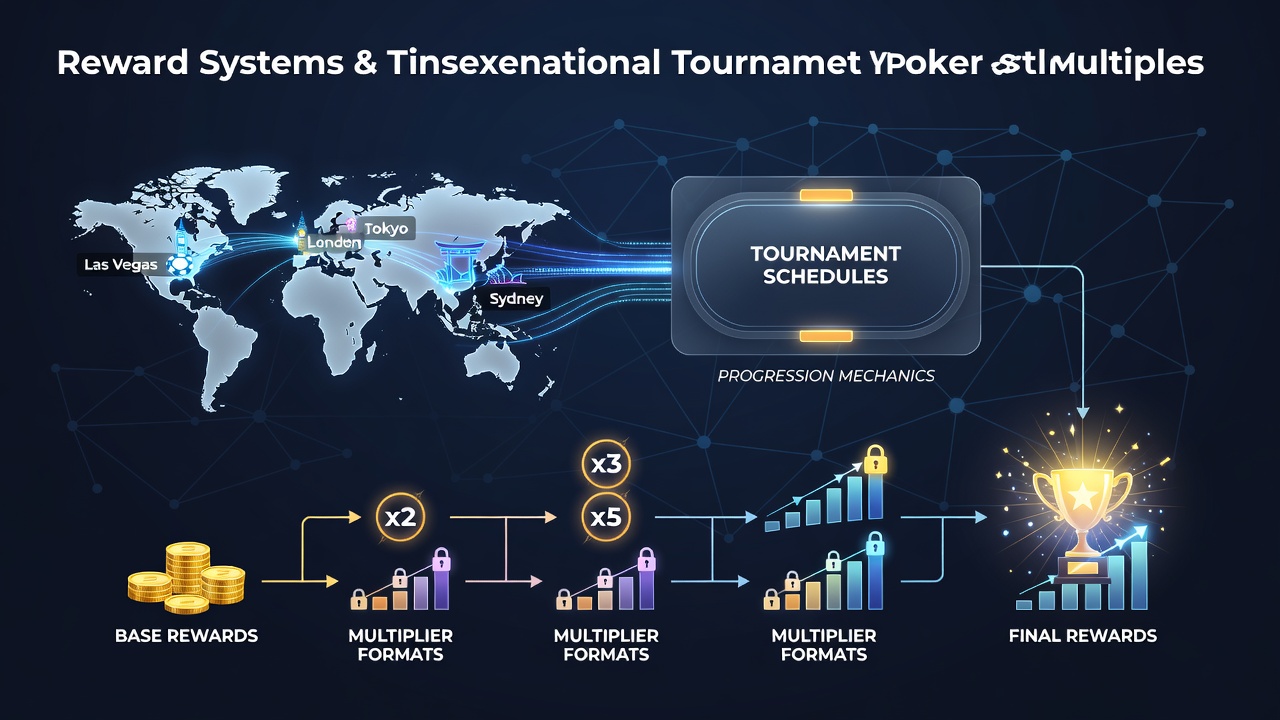
Interconnected reward systems have emerged as a key feature in wireless gaming platforms, where international tournament schedules synchronize directly with player progression mechanics in poker applications and multiplier-based game formats, and these alignments allow participants to accumulate rewards across multiple time zones while advancing through structured tiers that respond to both scheduled events and individual play patterns.
Mechanics Behind Schedule Integration
Wireless poker platforms connect global events such as the World Series of Poker circuit stops and regional tours in Asia and Europe with in-app progression tracks, so that completing a qualifying hand during a live international window triggers multiplier activations that carry forward into subsequent sessions, and data from platform operators shows these linkages increase session continuity because players receive tiered incentives tied to event calendars rather than isolated daily logins.
Multiplier formats operate alongside poker progressions through shared ledgers, where a successful cash in a scheduled tournament feeds points into a separate multiplier ladder that adjusts payout ratios for crash-style games or progressive slots, and this structure relies on synchronized clocks that account for daylight adjustments across continents to maintain consistent reward windows.
Role of International Tournament Timing
July 2026 features overlapping schedules from major circuits in North America and the Asia-Pacific region, which platform developers have mapped onto reward cycles so that players advancing through poker levels during these periods unlock bonus multipliers that apply across game categories, and regulatory filings indicate such alignments help maintain compliance with regional licensing requirements while supporting cross-border participation metrics.
Platforms track these events through centralized databases that update progression bars in real time, allowing a participant in one jurisdiction to benefit from a tournament outcome occurring elsewhere, and observers note that the result appears in the form of chained rewards where poker hand milestones convert into credits usable in multiplier interfaces without separate deposits.
Data Patterns Across Mobile Ecosystems
Figures released by the New Jersey Division of Gaming Enforcement reveal steady growth in mobile poker engagement during aligned international periods, with progression mechanics showing higher completion rates when tied to external tournament calendars, and similar patterns appear in reports from Canadian provincial regulators that track how multiplier formats receive traffic spikes following poker event conclusions.
One study coordinated through gaming research groups found that interconnected systems reduce player drop-off between sessions because rewards earned in one format transfer seamlessly, creating continuous advancement loops, while another analysis from Australian industry bodies documented how schedule-based multipliers maintain engagement levels across varying network conditions typical of handheld devices.
Technical Implementation in Wireless Environments
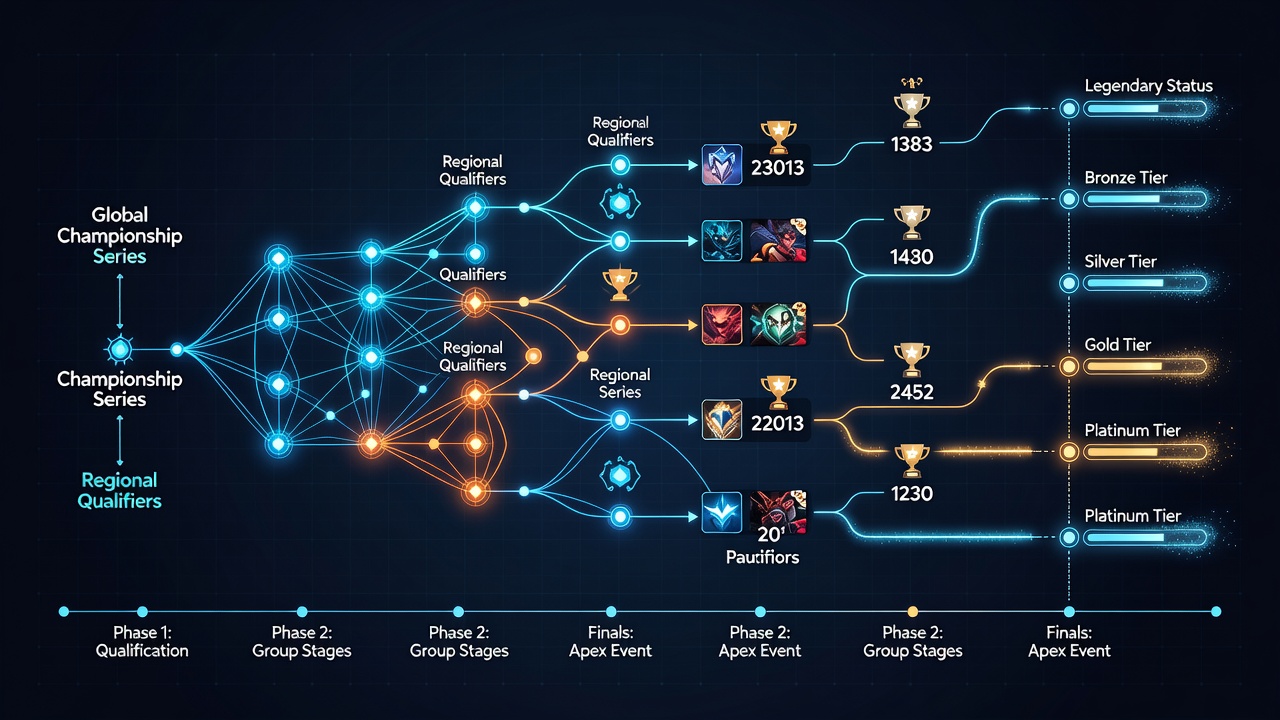
Developers employ API connections between tournament data feeds and in-app progression engines so that schedule updates propagate automatically to user accounts, enabling real-time adjustments to poker level requirements and multiplier thresholds, and these connections operate through encrypted channels that preserve transaction integrity across international borders.
Progression mechanics in poker apps incorporate conditional triggers linked to event start times, meaning a player who reaches a certain hand count during an overlapping tournament window receives accelerated multiplier access, and platform logs indicate these triggers function consistently regardless of device location provided the connection remains stable.
Cross-Format Reward Flows
Reward flows between poker progressions and multiplier formats follow predefined conversion tables that translate tournament points into credits applicable in secondary games, and industry reports from the European Gaming and Betting Association outline how these tables update quarterly to reflect changes in international schedules, ensuring the system remains responsive to new circuit additions.
Players advancing through wireless poker tiers during July 2026 events can apply resulting multipliers to formats that feature variable payout structures, creating pathways where one type of gameplay directly influences outcomes in another without requiring manual transfers, and this design supports sustained activity across diverse game libraries available on portable devices.
Conclusion
Interconnected reward systems continue to shape how international tournament schedules interact with progression mechanics in wireless poker and multiplier formats through synchronized data structures and shared incentive layers, and the patterns observed in regulatory data and platform operations demonstrate consistent mechanisms for aligning global events with individual advancement tracks that function across multiple regions and device types.