Examining Daylight Saving Shifts' Effects on Engagement Rates with Multiplier Formats and Classic Table Options Inside App-Based Systems
Parker Klein · Jun 7, 2026
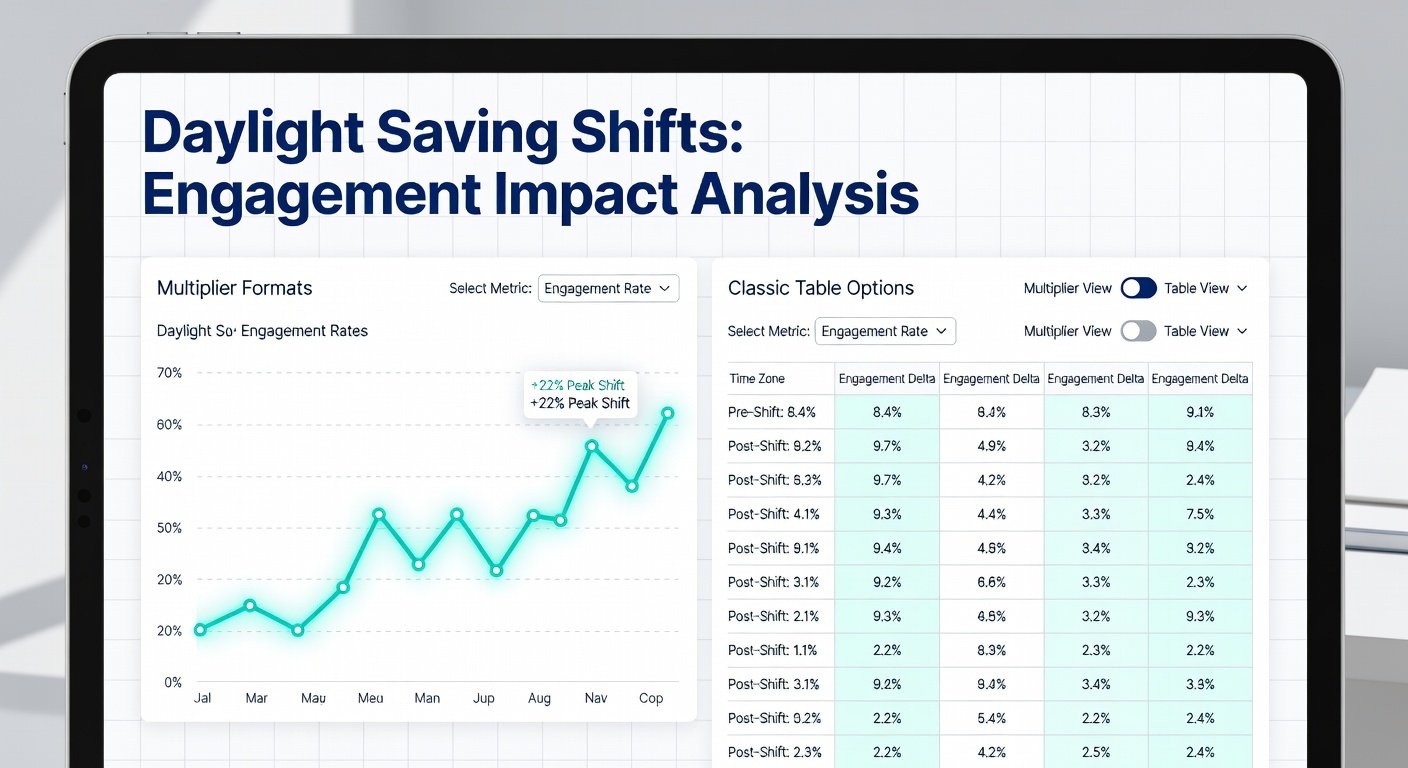
Examining Daylight Saving Shifts' Effects on Engagement Rates with Multiplier Formats and Classic Table Options Inside App-Based Systems
Daylight saving time adjustments create measurable disruptions in user routines that ripple through digital platforms, and app-based gaming systems provide a clear window into these patterns because session data captures precise timing across global user bases. Researchers tracking mobile interactions note that the spring forward and fall back transitions alter sleep cycles, which in turn shift peak activity windows for players engaging with multiplier-based formats and classic table selections. Studies of circadian rhythm responses indicate that even a one-hour change prompts users to log in at different intervals, with some regions experiencing compressed evening sessions while others see extended morning activity. Platform operators monitor these adjustments through timestamped analytics, revealing consistent trends where multiplier games that rely on quick successive rounds attract different retention curves compared to table options that unfold over longer decision periods.Patterns in User Behavior Following Time Transitions
Observers examining aggregated session logs from app ecosystems find that engagement rates dip noticeably in the days immediately after each shift, particularly when users adjust to new evening light levels or altered commute schedules. Multiplier formats often register sharper initial drops because they demand sustained attention in short bursts, whereas classic table options maintain steadier participation as players return to familiar pacing once routines stabilize.
Data collected across multiple app providers shows that regions observing daylight saving experience a temporary realignment of peak hours by roughly 45 to 90 minutes, depending on latitude and typical work patterns. Those who study these systems report that users gradually migrate activity toward later evening slots in spring, creating overlap with live event promotions that can boost crossover between game types.Multiplier Formats and Their Sensitivity to Schedule Changes
Multiplier mechanics, which reward rapid successive plays with escalating factors, demonstrate pronounced responsiveness to daylight saving adjustments because their core loop aligns with fragmented attention spans. When users experience even mild sleep disruption, session lengths shorten, and completion rates for extended multiplier sequences decline until adaptation occurs within seven to ten days. Platform metrics indicate that return visits to these formats recover faster in markets where users maintain consistent device notifications tied to local time zones.
Classic Table Options Maintain Different Trajectories
Classic table selections such as roulette variants and card progressions follow distinct engagement curves because they accommodate variable session depths and social elements that persist across time adjustments. Researchers analyzing interaction data observe that table game participation often rebounds through group features or tournament structures that encourage users to resume established patterns rather than experiment with new timing. This resilience appears in comparative reports where table options lose fewer cumulative minutes than multiplier sequences during the same transition windows.
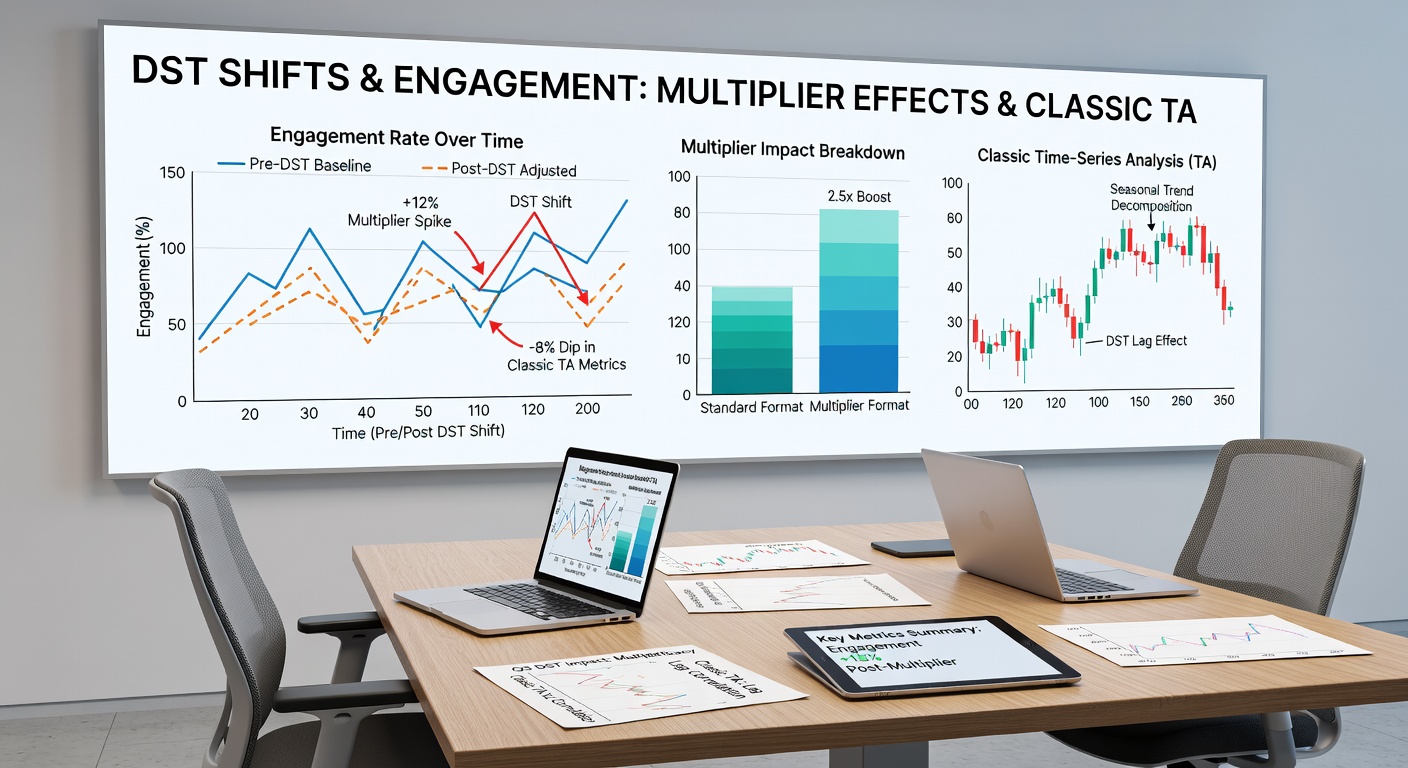
Regional Data and Observations Around June 2026
In June 2026, markets that have already completed their spring adjustment display stabilized engagement baselines, allowing analysts to isolate secondary factors such as seasonal promotions from time-shift effects. Canadian regulatory summaries highlight how provinces that observe daylight saving record predictable migration patterns between mobile formats, while territories without the shift maintain flatter curves year-round. Comparative figures from European operators similarly separate time-change impacts from broader usage trends.
One analysis conducted by Statistics Canada links modest engagement reductions to the post-adjustment period, noting that app-based systems register these shifts through normalized hourly activity reports rather than absolute numbers. Observers tracking portable platforms note that users in southern latitudes adapt more quickly because daylight duration changes remain less extreme than in northern zones.
Cross-Format Interactions and Incentive Timing
App operators frequently layer incentive structures across multiplier and table options to smooth transitions, and daylight saving periods test the effectiveness of these designs. When time shifts coincide with scheduled reward cycles, players demonstrate increased movement between formats as they seek sessions that fit revised availability. Evidence from industry reports shows that targeted notifications timed to local adjusted clocks reduce the duration of engagement dips compared to static scheduling approaches.
Those monitoring cross-format transitions record that users who begin with multiplier rounds after a shift sometimes extend into table selections once initial fatigue subsides, creating measurable pathways between the two categories. This movement becomes visible in retention heatmaps that overlay time-zone data with game-type selections.
Conclusion
Daylight saving transitions produce documented, temporary alterations in engagement metrics across app-based gaming environments, with multiplier formats showing faster initial sensitivity and classic table options displaying greater continuity once users recalibrate schedules. Comprehensive tracking through June 2026 continues to separate these periodic effects from longer-term growth patterns, providing operators with clearer benchmarks for timing updates and feature releases. Regional differences underscore the value of localized analytics that account for both regulatory time policies and user adaptation rates.