Event-Driven Reward Pathways Reshaping Interactions Between Multiplier Games and Classic Card Tables in Wireless Betting Ecosystems
Blake Frank · Jun 2, 2026

Event-Driven Reward Pathways Reshaping Interactions Between Multiplier Games and Classic Card Tables in Wireless Betting Ecosystems
Event-driven reward pathways now connect multiplier games directly to classic card tables across wireless platforms, creating layered incentive structures that adjust in real time based on player activity and external triggers. Data from the first half of 2026 shows these systems track sequences of bets, wins, and session durations to release bonuses that span game categories without requiring separate logins or wallet transfers.
Core Mechanics of Event-Driven Pathways
Operators deploy algorithms that monitor specific events such as a completed poker hand sequence or a crash multiplier threshold breach, then trigger reward releases that apply across both formats. According to figures released by the New Jersey Division of Gaming Enforcement, portable app sessions incorporating these linked pathways increased by 18 percent between January and May 2026. The pathways operate through shared user profiles that register every multiplier climb or card outcome, converting those data points into credits usable at either table or crash interfaces.
Wireless ecosystems rely on low-latency connections to update reward states within milliseconds of each event. This timing allows a player finishing a blackjack round to receive an instant multiplier boost that activates only when they switch to a crash game within the same app session. Industry reports indicate these mechanisms reduce friction between game types while maintaining separate rule sets for each category.
Multiplier Games and Card Table Crossovers
Multiplier titles such as crash variants register peak events that feed into card table progressions, while poker and blackjack hand results generate credits redeemable in multiplier rounds. Observers note that these interactions appear most frequently in apps serving North American and Australian markets, where regulatory frameworks permit cross-game tracking. A study conducted by researchers at the University of Nevada Reno documented how event logs from 2025 sessions showed users moving between formats at rates 22 percent higher when reward pathways activated automatically after milestone triggers.
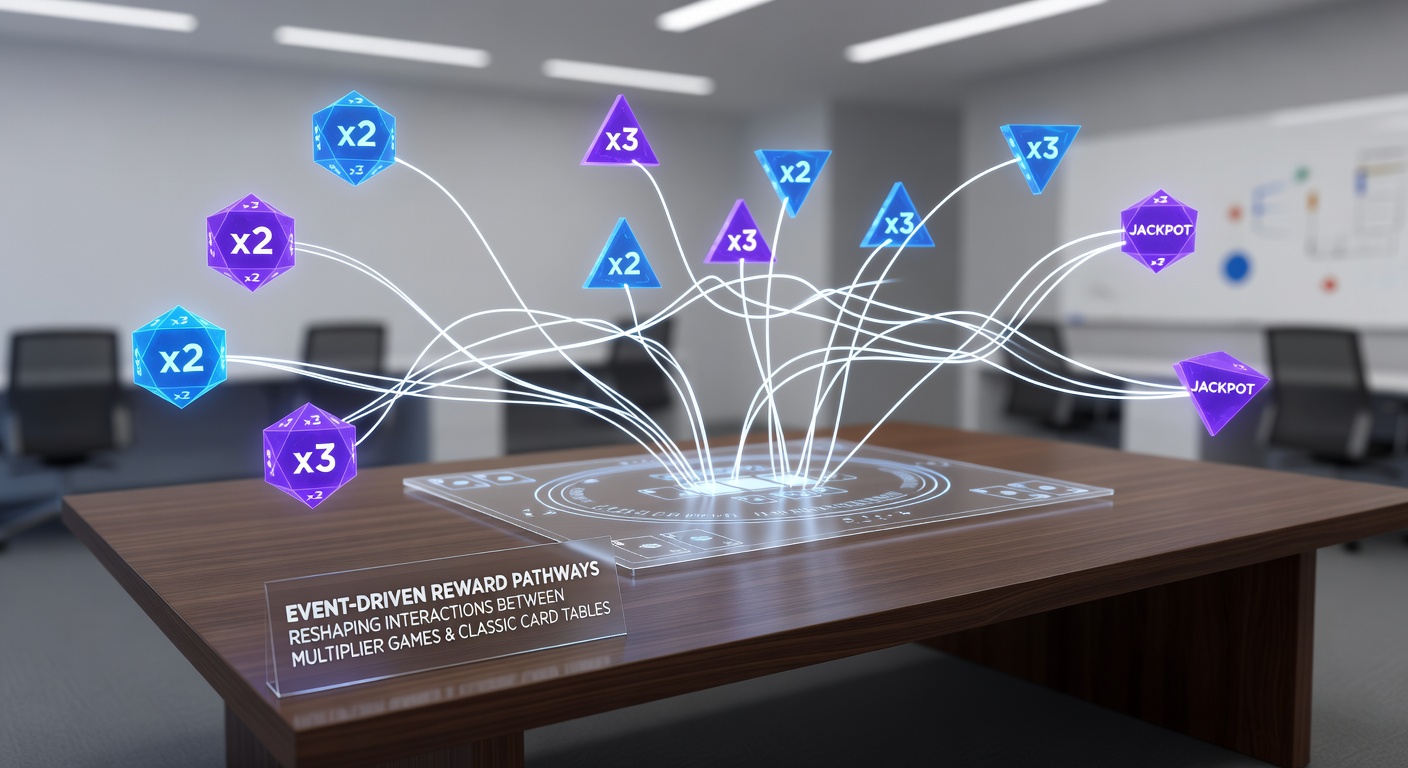
By June 2026, several platforms had introduced time-bound events tied to sports outcomes that further bridged the two categories. When a linked sports wager settled, the system released pathway credits that applied equally to pending card hands or active multiplier climbs. This approach draws on data streams from external feeds, ensuring rewards reflect real-world occurrences rather than isolated game results alone.
Technical Infrastructure in Wireless Environments
Cloud-based servers handle the continuous synchronization required for these pathways, storing event histories that update across devices without data loss during network switches. Developers integrate application programming interfaces that pull information from both multiplier engines and card randomizers, then apply unified reward rules. Those who have examined platform architectures report that memory usage remains stable because the pathways reuse existing session tokens instead of creating new ones for each category transition.
Security protocols encrypt the event logs at the point of capture, preventing unauthorized access to cross-game activity records. Regulatory bodies in multiple jurisdictions require operators to maintain separate audit trails for each game type even when rewards flow between them, a requirement met through timestamped logs that distinguish card outcomes from multiplier results.
Market Data and Adoption Patterns
Revenue tracking from iGaming Ontario through the first quarter of 2026 recorded a 14 percent rise in average session value for accounts utilizing event-driven pathways. Similar patterns emerged in reports covering Australian licensed operators, where wireless users showed increased retention when pathways connected crash sequences to blackjack progressions. These figures reflect aggregate platform data rather than individual behavior, highlighting broader ecosystem shifts without revealing personal details.
Platforms continue testing variations that tie reward frequency to geographic location or device type, although core mechanics remain consistent across deployments. External analyses from the American Gaming Association note that wireless betting volumes incorporating such systems accounted for roughly one-third of total mobile handle in monitored regions during early 2026.
Conclusion
Event-driven reward pathways continue to link multiplier games with classic card tables through real-time event tracking in wireless betting systems. Market statistics and regulatory filings document measurable increases in session continuity and cross-format activity where these mechanisms operate. Ongoing infrastructure refinements focus on maintaining compliance while supporting seamless data flow between game categories.