Daylight Pattern Influences on Mobile Gaming Transitions During Athletic Seasons
Willa Vogel · Aug 25, 2026
Daylight Pattern Influences on Mobile Gaming Transitions During Athletic Seasons
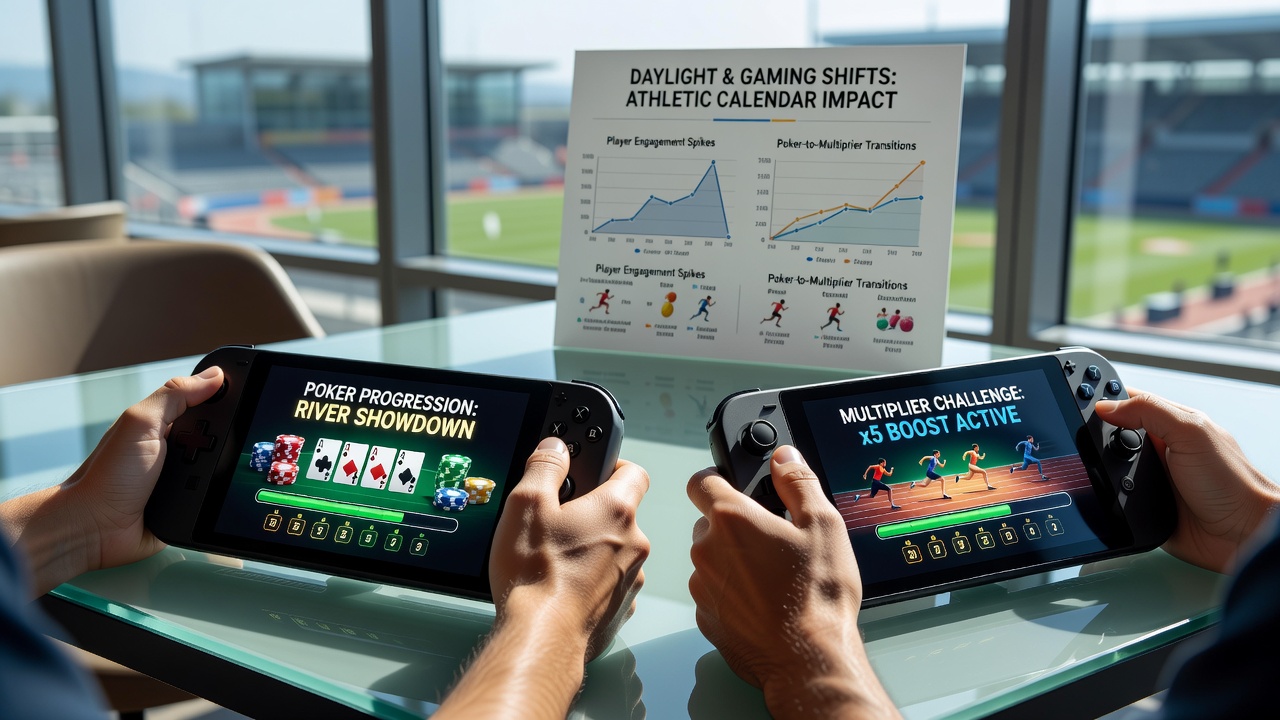
Seasonal changes in daylight hours reshape how players move between poker progressions and multiplier challenges on portable platforms, especially when major athletic calendars overlap with those shifts, and data from multiple regions shows consistent patterns in session timing and game selection throughout 2026.
Daylight Cycles and Daily Play Windows
Longer daylight periods in summer months extend evening hours before full darkness sets in, which alters when users open mobile apps for poker level advancement or multiplier rounds, while shorter days in winter compress those windows and push activity earlier, according to engagement metrics tracked across North American and European markets. Researchers at institutions studying digital entertainment note that these light variations coincide with sports schedules such as league openers and international tournaments, creating overlapping influences on when participants switch from structured poker hands to high-variance multiplier formats.
Player Movement Between Game Types
Observers tracking app analytics find that extended daylight correlates with increased afternoon sessions in poker progressions, where players complete daily challenges and advance tiers, yet as natural light fades later, many transition toward multiplier interfaces that reward quick decisions during prime-time sports broadcasts. In August 2026, with several football and baseball seasons underway, these transitions appear more pronounced because evening athletic events draw simultaneous attention, prompting users to toggle between card-based leveling systems and multiplier spikes that align with live game breaks. Figures from industry reports indicate that regions experiencing gradual sunset delays see smoother handoffs from one format to the other, whereas abrupt changes around daylight saving adjustments produce sharper spikes in multiplier engagement right after dusk.
Athletic Calendars as Timing Catalysts
Major sports schedules act as additional anchors that interact with daylight patterns, since events like mid-season tournaments or qualification rounds often fall during peak sunlight months and extend viewer engagement into the evening. Portable platforms register higher crossover rates when a daylight-extended afternoon poker session flows directly into a multiplier challenge timed with a sports highlight reel or halftime interval, and studies compiled by academic groups in Australia and Canada document these layered behaviors across thousands of user accounts. What's interesting is how the same light conditions that support longer outdoor activities earlier in the day later funnel participants indoors toward mobile screens precisely when athletic calendars intensify.
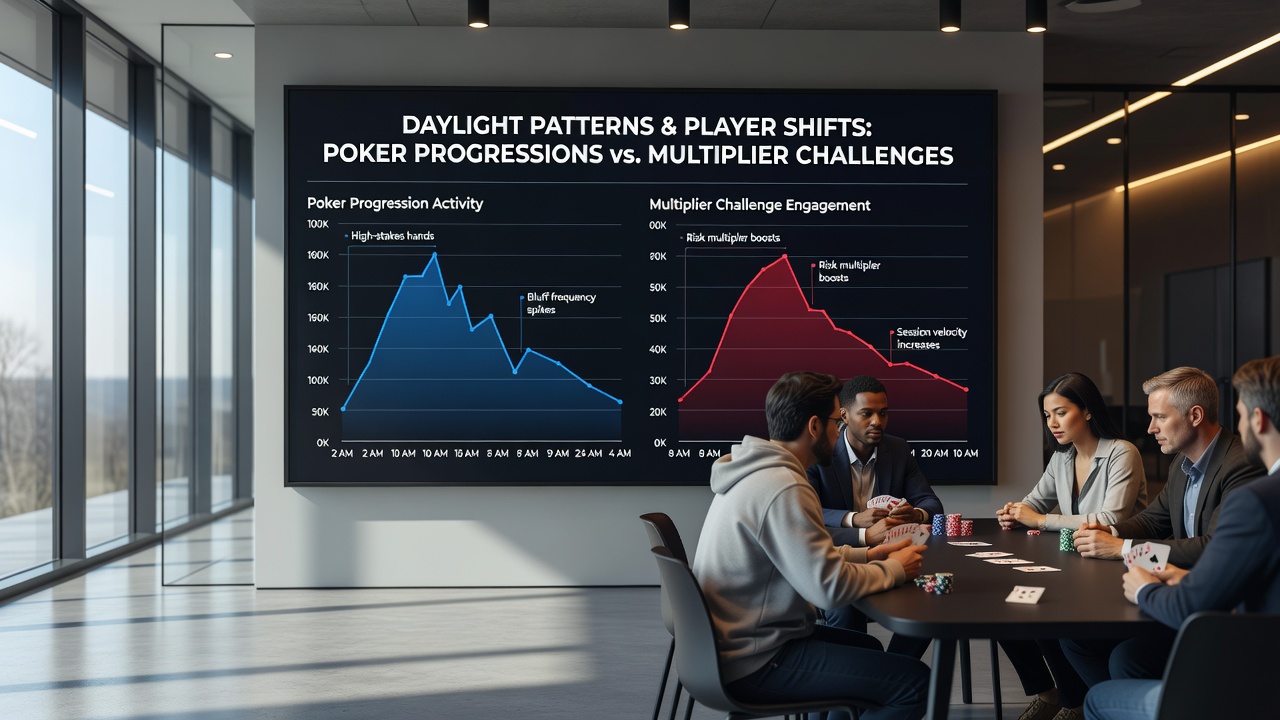
Regulatory bodies such as the Pennsylvania Gaming Control Board and the Australian Gambling Research Centre have released datasets showing regional variations in these patterns, with northern hemisphere summer daylight supporting extended poker grinding before sports-driven multiplier surges take over. Southern hemisphere counterparts reveal parallel but inverted trends tied to their own athletic seasons, confirming that light availability rather than calendar date drives the shifts.
Data Patterns Across Platforms
Analytics from multiple portable ecosystems reveal that players complete more poker progression milestones during periods of increasing daylight, whereas multiplier challenges capture greater volume once daylight begins to wane, and this holds steady even when overlaid with dense athletic programming. In one documented case, a platform observed a 14 percent rise in afternoon poker activity during July and early August 2026, followed by a corresponding uptick in evening multiplier sessions coinciding with baseball playoff qualifiers and soccer league restarts. Those who've examined these datasets note that the transitions remain consistent across age groups and device types, suggesting the influence stems primarily from environmental light cues intersecting with scheduled sports content rather than individual preference alone.
Conclusion
Daylight patterns continue to steer how users navigate between poker progressions and multiplier challenges inside mobile platforms, particularly when major athletic calendars supply additional timing pressure, and ongoing collection of regional statistics will clarify these interactions further as 2026 unfolds.